Authentic Pakistani Clothing Complete Guide: Styles, Fabrics and Occasions
Quick answer
Authentic Pakistani clothing spans regional silhouettes like the shalwar kameez, fabrics ranging from lightweight lawn to heavier silk and velvet, and dress codes that shift with the occasion, the season and the region of Pakistan the style draws from. The right choice for a US-based shopper usually comes down to matching fabric weight to climate, matching embellishment level to the formality of the event, and checking whether a garment is sold stitched or unstitched before buying.
- Match fabric to season: lawn and cotton for warm weather, silk and velvet for winter or formal events
- Match embellishment to formality: plain or lightly embroidered for daily wear, heavily worked pieces for weddings
- Confirm whether the item is pre-stitched or sold as unstitched fabric yardage
- Check size charts against US sizing, since Pakistani brands often use their own measurement systems
- Consider the occasion calendar, including Eid, weddings, and formal or semi-formal gatherings
- Factor in shipping timelines and return policies when ordering from Pakistan-based or US-based sellers
Key takeaways
- Pakistani clothing is regionally diverse, so a single "national dress" label oversimplifies a wardrobe tradition shaped by Punjab, Sindh, Balochistan and Khyber Pakhtunkhwa influences.
- Fabric names like lawn, chiffon, silk, khaddar and velvet refer to both weight and season, which matters more for comfort in US climates than the print or color alone.
- Unstitched suits require tailoring after purchase, which adds time and cost that ready-to-wear options skip.
- Occasion wear in Pakistani fashion is tiered, from everyday cotton suits to heavily embellished bridal and formal pieces, and mixing these tiers at the wrong event is a common styling misstep.
- Buying for gifting in the US adds extra variables, including sizing uncertainty and the need to verify care instructions before shipping overseas.
Definitions
Shalwar Kameez
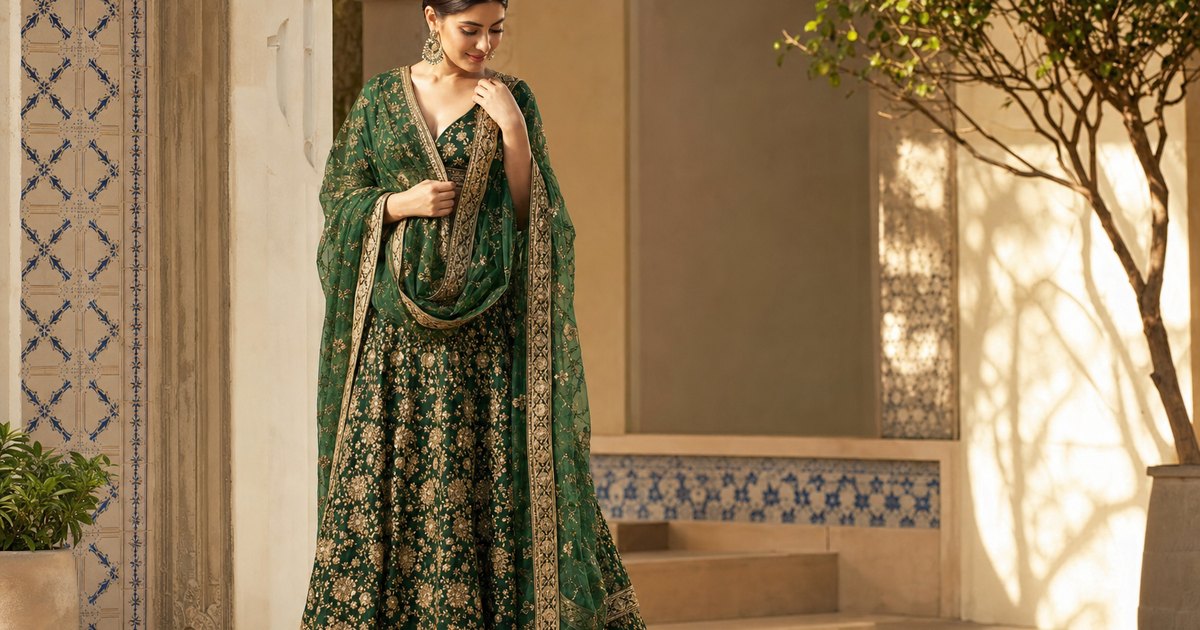
Shalwar kameez is the foundational outfit structure in Pakistani clothing, consisting of a loose tunic (kameez) paired with wide-legged trousers (shalwar). It is often finished with a dupatta, a long scarf draped over the shoulders or head.
Unstitched Suit
An unstitched suit is fabric sold as cut pieces, typically for the shirt, trouser and dupatta, meant to be tailored to the buyer's own measurements rather than worn as-is.
Lawn Fabric
Lawn is a lightweight, finely woven cotton fabric associated with spring and summer collections in Pakistani fashion, prized for breathability in warm climates.
Core concepts
Regional and stylistic variation
Pakistani clothing is not one uniform style. Silhouettes, necklines and embroidery traditions vary by region and community, and many contemporary brands blend these influences into a single collection. Recognizing that a Sindhi-inspired mirror-work piece and a Punjabi-inspired phulkari design both fall under "Pakistani clothing" helps explain why collections from different retailers can look very different while still being authentic. For a closer look at how individual labels interpret these traditions, this guide to Pakistani clothing brands for women in the USA breaks down brand-level differences.
Fabric weight drives seasonal suitability
Fabric choice is as much a climate decision as a style decision. Lightweight cottons and lawns suit humid or hot US regions for most of the year, while silk, velvet and heavier blends are typically marketed for cooler months or indoor formal events. Retailers usually list fabric composition on the product page, and this detail should guide purchasing more than the print alone.
Stitched versus unstitched buying
Ready-to-wear (stitched) garments are sized to standard measurements and can be worn immediately, which suits most US shoppers without easy access to a tailor. Unstitched suits offer more customization but require finding a tailor and allowing extra time, which matters when shopping ahead of a specific event date.
Occasion tiers in Pakistani fashion
Pakistani clothing is often marketed in tiers: everyday or lawn wear, semi-formal pieces for gatherings and parties, and formal or bridal wear with heavier embellishment such as zardozi or gota work. Matching the tier to the event avoids being under- or overdressed, a point explored further in the scenarios below.
Decision framework
| Step | Question to ask | Recommended action |
|---|---|---|
| 1. Identify the occasion | Is this everyday wear, a semi-formal event, or a wedding? | Choose simpler pieces for daily wear and embellished pieces for formal or bridal events |
| 2. Check the season and climate | Will the event be indoors, outdoors, warm or cool? | Pick breathable cotton or lawn for warm settings, silk or velvet for cooler or formal indoor settings |
| 3. Decide stitched vs. unstitched | Is there time and access to a tailor? | Choose ready-to-wear for convenience; choose unstitched fabric only with tailoring time available |
| 4. Verify sizing | Does the body measurement match the brand's own chart? | Compare actual measurements to the specific retailer's size chart, not US dress sizes |
| 5. Review fabric care | Is the piece hand-wash-only or machine washable? | Follow the listed care instructions, especially for silk or embellished fabrics |
| 6. Confirm shipping and returns | Will the item arrive and be returnable in time if needed? | Check delivery estimates and return windows on the retailer's current listing |
Real-world scenarios
Shopping for a summer wedding guest outfit
A reader invited to a daytime summer wedding in the US would generally look at semi-formal Pakistani suits in lighter fabrics such as lawn-silk blends or chiffon, avoiding heavily layered velvet pieces that suit colder, more formal evening events. Checking the embellishment level against the wedding's dress code, and confirming delivery time against the wedding date, are the two practical steps from the decision framework that matter most here.
Building an everyday wardrobe
Someone wanting regular, comfortable Pakistani wear for home or casual outings would prioritize breathable cotton or lawn shalwar kameez sets over bridal-tier pieces, since daily wear benefits from easy-care fabrics and simpler embroidery that holds up to frequent washing.
Sending a gift to family in the US
A buyer purchasing Pakistani clothing as a gift for a relative in another US city faces an added sizing challenge, since the recipient cannot try the item on first. In this case, favoring adjustable or looser-fit stitched pieces, and verifying the retailer's exchange policy before ordering, reduces the risk of a poor fit going unnoticed until the item arrives.
Common mistakes
- Assuming US dress sizes map directly to Pakistani size charts. This leads to a poor fit; always compare body measurements to the specific brand's chart.
- Buying heavy velvet or heavily embellished pieces for summer events. This causes discomfort in warm climates; match fabric weight to season and venue temperature.
- Ordering unstitched fabric without a tailor lined up. This delays wearing the outfit past the intended event; confirm tailoring turnaround time before buying unstitched.
- Overlooking care labels on embellished or silk pieces. Machine washing delicate embroidery can damage it; follow hand-wash or dry-clean instructions as listed.
- Choosing bridal-tier outfits for casual gatherings. This can feel overdressed; reserve heavily worked pieces for weddings or formal occasions.
- Ignoring return and exchange windows on international orders. Gifts or last-minute purchases can become non-returnable after a short window; check policies before ordering.
- Relying only on photos for color accuracy. Screen display differences can shift how a color appears; read the product description for named shades.
Limitations and checks
Fabric composition, available sizes, color options and exact embellishment details vary by brand, collection and even by individual batch, so details in this guide describe general categories rather than any single product's specifications. Shipping times, return policies and care instructions differ between US-based and Pakistan-based sellers and should always be confirmed on the specific retailer's current listing before purchase. Readers comparing cross-border retail trends, including how American brands operate within Pakistan, can find related context in this guide to authentic American brands in Pakistan, though it covers a different market direction. This article does not test or compare specific garments, and it cannot confirm pricing, stock availability or seasonal collection changes, all of which are subject to change and should be verified directly with the seller.
Bottom line
Authentic Pakistani clothing covers a wide range of silhouettes, fabrics and formality levels, and there is no single "right" choice, only the right match for the occasion, climate and buyer's access to tailoring. For everyday wear, lighter cottons and lawns in ready-to-wear cuts are the practical starting point. For weddings or formal events, semi-formal to bridal-tier pieces in silk or embellished fabrics fit better, provided the fabric weight suits the season. This guide was compiled by Shaheen Arif for the Authentic Pak USA Blog. Before buying, compare measurements against the brand's own size chart and confirm care and return details directly on the retailer's page.
Frequently asked questions
What is the difference between lawn and chiffon in Pakistani clothing?
Lawn is a lightweight, tightly woven cotton typically used for spring and summer collections, while chiffon is a sheer, flowing fabric often used for semi-formal or formal pieces and usually paired with a lining. Both are common in Pakistani fashion, but lawn suits everyday warm-weather wear while chiffon is more associated with dressier occasions.
Should a beginner buy stitched or unstitched Pakistani suits?
Stitched, ready-to-wear suits are generally more practical for someone new to Pakistani clothing or without easy access to a tailor, since they can be worn immediately after checking the size chart. Unstitched fabric offers more customization but adds the extra step and time of tailoring before it can be worn.
How do Pakistani clothing sizes compare to US sizes?
Pakistani brands commonly use their own size charts based on body measurements rather than standard US dress sizes, so a size label alone is not a reliable guide. Always compare the retailer's listed chest, waist and length measurements to actual body measurements before ordering.
What fabrics are best suited for humid US summers?
Lightweight, breathable fabrics such as lawn and cotton blends are generally marketed as more suitable for hot or humid conditions than silk or velvet. Checking the fabric composition listed on the product page is the most reliable way to judge suitability for a specific climate.
Is a dupatta required with every outfit?
A dupatta is a traditional component of many shalwar kameez outfits and is commonly included with suit sets, but whether it is worn, draped or skipped often depends on personal preference, occasion formality and regional style. It is not universally mandatory across every modern Pakistani outfit.
How far in advance should wedding-season outfits be ordered?
Ordering timelines depend on whether the piece is stitched or unstitched and on the seller's shipping method, so there is no single fixed timeframe. Readers should check the specific retailer's estimated shipping and, if applicable, tailoring turnaround time well ahead of the event date rather than assuming standard delivery speeds.
Can embellished or embroidered pieces be machine washed?
Many embellished or heavily embroidered Pakistani garments carry hand-wash-only or dry-clean-only care instructions because machine washing can damage delicate thread work or attached embellishments. Always check the specific garment's care label rather than assuming standard cotton care applies.
What makes Pakistani clothing different from Indian clothing styles?
While the two traditions share historical roots and some silhouettes, Pakistani fashion tends to favor particular cuts, fabric choices and regional embroidery styles distinct to its provinces, and brand naming, sizing and collection structures also differ. Comparing specific brands side by side gives a clearer picture than broad generalizations.
Sources and further reading
Independent references on topics covered in this guide. We are not affiliated with these organizations.